Understanding Ceramic Coating:
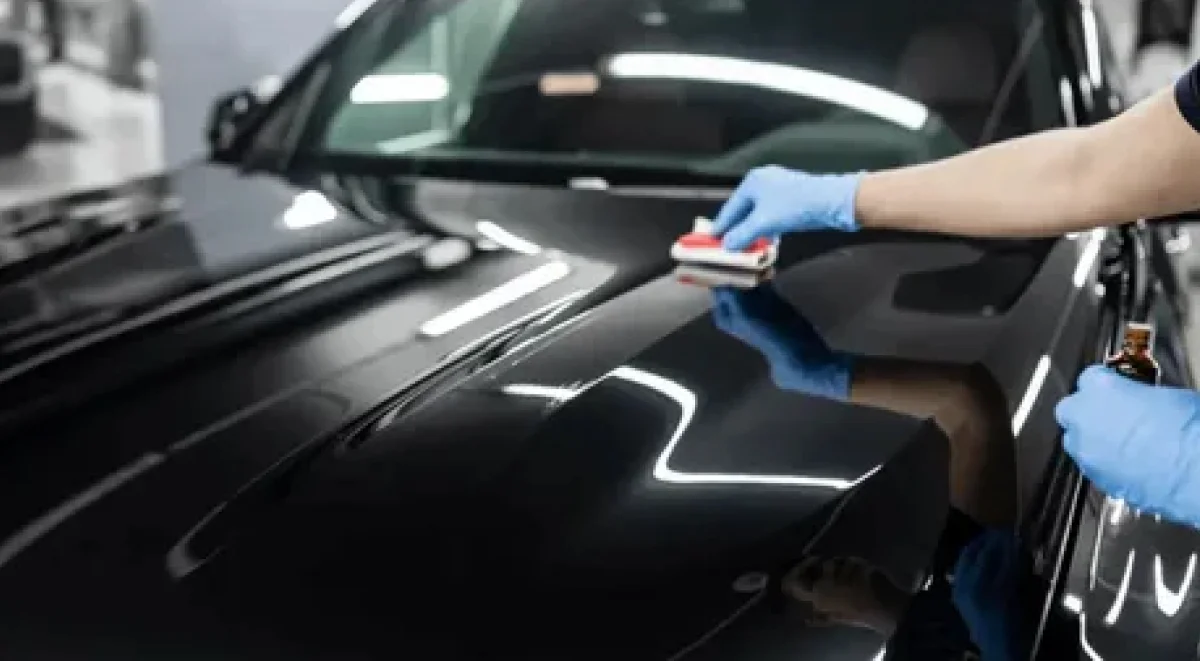
Ceramic coating is a liquid polymer that, when applied to the exterior surfaces of a vehicle, forms a transparent, protective layer. Unlike traditional wax or sealants, which sit on the surface of the paint, ceramic coatings chemically bond with the paintwork, creating a durable and long-lasting barrier.
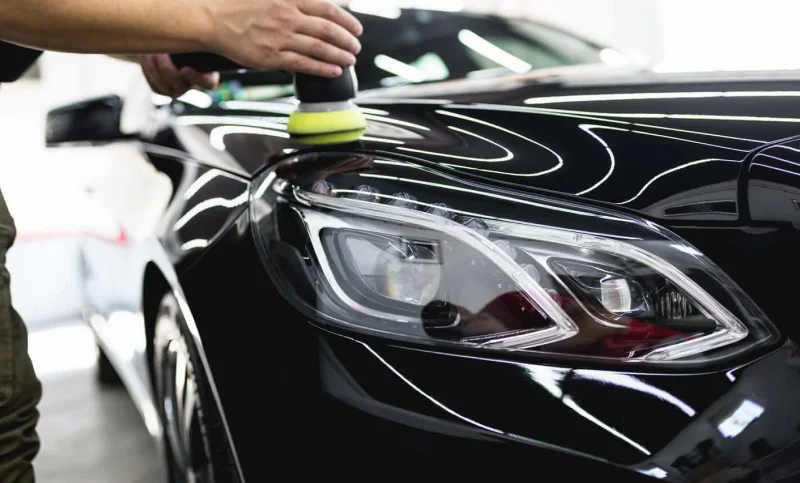
The Science of Chemical Bonding:
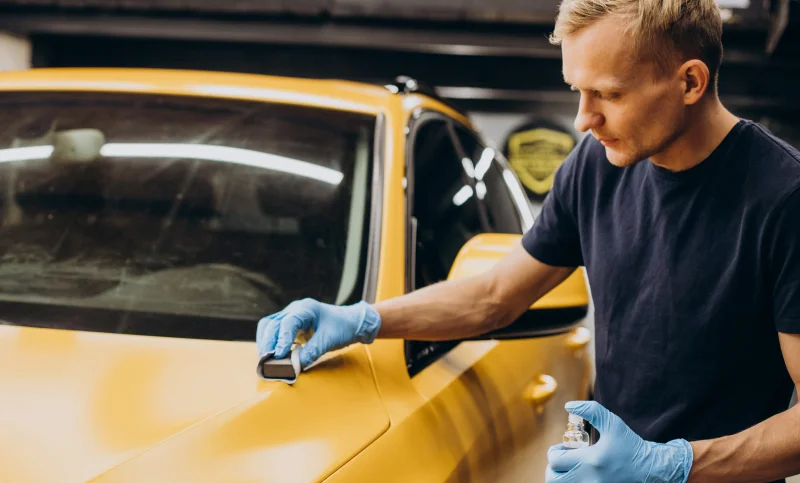
At the heart of ceramic coating’s effectiveness lies the process of chemical bonding. When the liquid ceramic coating is applied to the vehicle’s paint, it undergoes a curing process, during which it forms strong molecular bonds with the surface. These bonds create a seamless and robust protective layer that is resistant to environmental damage, UV rays, oxidation, and chemical stains.