The way a table presents itself on screen says as much about the product as the rules printed on the felt. I’ve spent years looking at how Playtech frames a game in the player’s eye – colour weight, spacing, motion that reads at a glance – and I judge multi hand blackjack high rtp percentage the same way. It’s not about flash for its own sake; it’s about whether the layout helps a player read a hand, a result, and a running balance without hunting around the screen. That visual discipline matters because the real draw here is the return-to-player percentage, and the way a high-rtp table is presented either supports disciplined play or quietly pulls attention elsewhere.
How the table is presented and why the rtp sits where it does
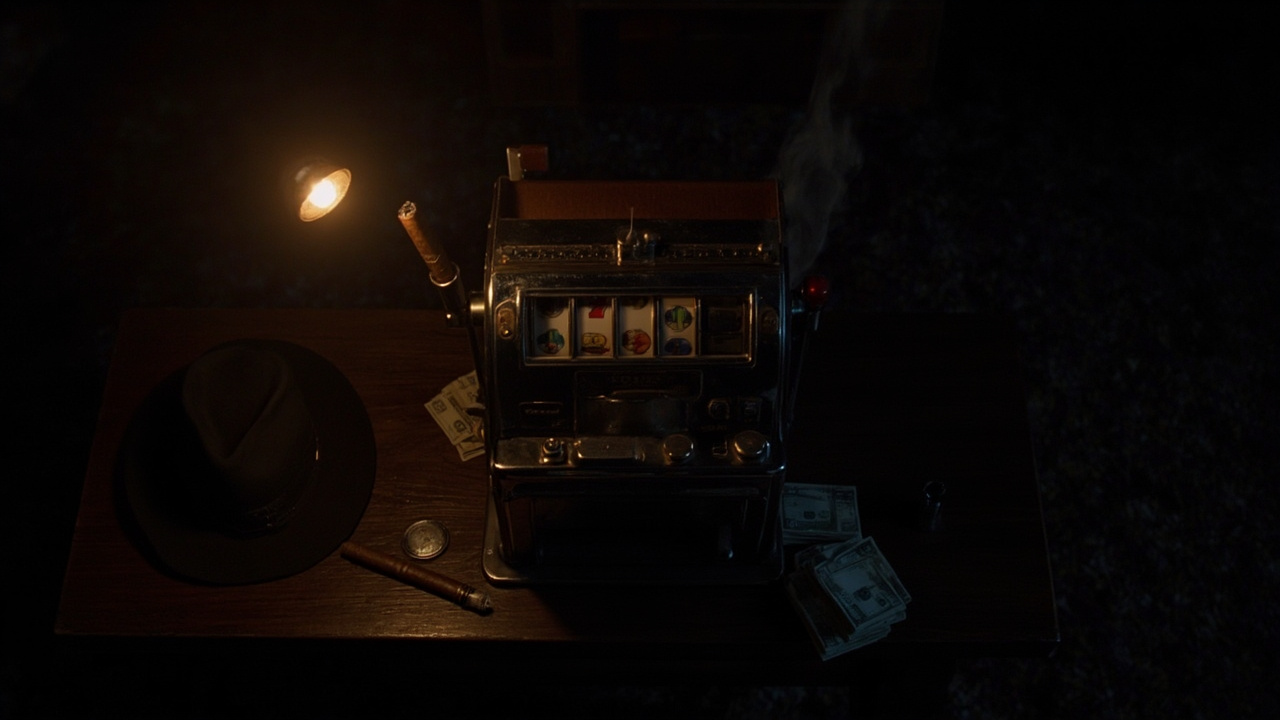
The interface carries a clean, uncluttered layout that keeps the card grid and the balance visible at the same time. That’s the kind of art-direction call I respect: when a player opens five, ten, or twenty hands, the eye needs a clear path from the deal to the result, not a screen crowded with competing animations. The table is built around a high-rtp structure, and the presentation reinforces that by keeping pace steady rather than pushing spectacle between rounds. I’d rather see a deal animation that resolves quickly and leaves the outcome readable than one that lingers for effect, because the player’s attention should stay on the decision and the return, not on the decoration.
A few practical traits define how the table works day to day. The card grid scales cleanly across the chosen number of hands, the balance and bet controls stay in consistent positions, and the result readout doesn’t require a second glance. Those are small things, but they compound when you’re playing multiple hands in a single round.
• The card grid keeps all active hands visible without shrinking the cards to the point where suits and values become hard to read.
• Bet controls sit in a fixed zone so adjusting per-hand stakes doesn’t shift the layout around the player.
• Result messaging is brief and placed where the eye naturally lands after a deal, not buried under a banner.
The fixed zones preserve muscle memory during long sessions, letting players focus on odds rather than interface adjustments. For a practical review of how high cards influence late-stage decisions, read our breakdown at high card poker strategy guide. This visual stability ensures that critical table information remains instantly accessible, even when multiple betting rounds stack up.
That kind of presentation is what separates a table that feels thoughtful from one that feels like it’s shouting for attention. In a market where players compare options quickly, the visual clarity is part of the reason a high-rtp table earns a place in a regular rotation rather than a one-off look.
What the rtp percentage actually means for the way you play
A high-rtp percentage is best understood as a long-run expectation, not a promise attached to any single hand. The table is built so the return expectation sits above the mid-range you’d see on a standard layout, and that changes how you plan a session rather than how you read a single outcome. You’re still playing blackjack against the dealer, still making the same basic decisions, but the math behind the table is weighted so the expected return is higher over time. That doesn’t make any round predictable; it just means the structure of the game is set up to return a larger share of wagered money across many rounds than a lower-rtp equivalent would.https://buffalo-pokie-machine.com
The multi-hand format is where the practical side shows up. Playing several hands at once doesn’t change the core blackjack decisions, but it does change how you manage a bankroll in a single round. You can spread a stake across more hands or concentrate it on fewer, and the table’s presentation should make that choice easy to see and easy to adjust. I’d rather a player understand the spread they’re making than feel pushed into a preset pattern by the layout. The art-direction side matters here because a crowded screen can make a player lose track of where each hand stands, which is the last thing you want when you’re deliberately managing several positions at once.
There’s also a broader industry context worth keeping in mind. Macau’s VIP gambling was reshaped by China’s anti-corruption campaigns, and that shift is a useful reminder that high-stakes, high-attention play can change fast when external pressure hits. The point for a regular player is simpler: a table with a higher return expectation is a tool for disciplined, repeatable sessions, not a shortcut around variance. The presentation should support that discipline by keeping the math, the balance, and the hand results legible, so the player can see slotcleopatraaustralia.com what the table is offering without having to decode the screen.
Who this table suits best
This is a table for players who want a higher-rtp blackjack layout and are comfortable managing more than one hand at a time. It suits someone who treats a session as a sequence of decisions rather than a single big moment, and who wants the screen to stay out of the way while they do that. It’s less suited to someone chasing a fast, dramatic win in a single round, because the value here is in the structure and the return expectation over time, not in any one hand. If you’re the kind of player who likes to keep stakes controlled, read results quickly, and move on without the table forcing a lot of extra motion between rounds, the layout fits that habit.
For Australians, the practical takeaway is straightforward. A high-rtp multi-hand table works best when you treat it as a steady, repeatable option rather than a one-off thrill, and when you pick a hand count that matches the bankroll you’re actually willing to spread across a round. Playing from Western Sydney on a laptop or a phone during an arvo break is fine as long as the screen stays readable and the stake spread stays deliberate; the table’s value is in that clarity, not in any promise attached to a single deal. No offshore casino play is licensed or regulated in Australia, so the sensible approach is to treat the table as a presentation of a game structure and to manage your own session accordingly.
The table earns its place by keeping the return expectation and the visual clarity working in the same direction. When the layout is clean, the hand count is manageable, and the rtp is genuinely higher than a standard layout, the product has a clear reason to be in your regular rotation. That’s the comparison I’d make as someone who cares about how a game presents itself: the best tables are the ones where the design helps you play your own game, not the ones that ask you to notice the decoration first.